
The global labor shortage is no longer a future concern—it's a current reality. According to the Global Labour Market, in 2024, the United States alone required roughly 4.6 million additional workers each year just to keep up with workforce demand and population shifts. That's about 2% of the total U.S. population. Other countries faced even greater pressure, with Germany short by 1.6 million workers (3%), South Korea by 2 million (5.5%), and China by an estimated 47 million workers (5%).
Global hiring helps solve this issue as businesses of all sizes now look beyond borders to find skilled talent. However, before you can legally hire someone from another country, you need to understand what is sponsorship for employment and how it works in practice.
This guide breaks everything down—what employment sponsorship means, how employers handle it, and how companies use Employer of Record (EOR) services like Atlas HXM to stay compliant while hiring internationally.
Key Takeaways
Sponsorship for employment means an employer takes legal responsibility for helping a foreign worker obtain and maintain the right to work in a specific country.
This usually involves securing a work visa or permit and staying compliant with immigration and labor laws for the duration of employment.
Programs like employment-based visa sponsorship vary by country and role
Employers carry long-term legal responsibilities when sponsoring employees
By combining EOR services with global immigration and mobility solutions, Atlas HXM allows companies to hire faster, stay compliant, and support international employees throughout the full employment lifecycle.
What Is Sponsorship for Employment?
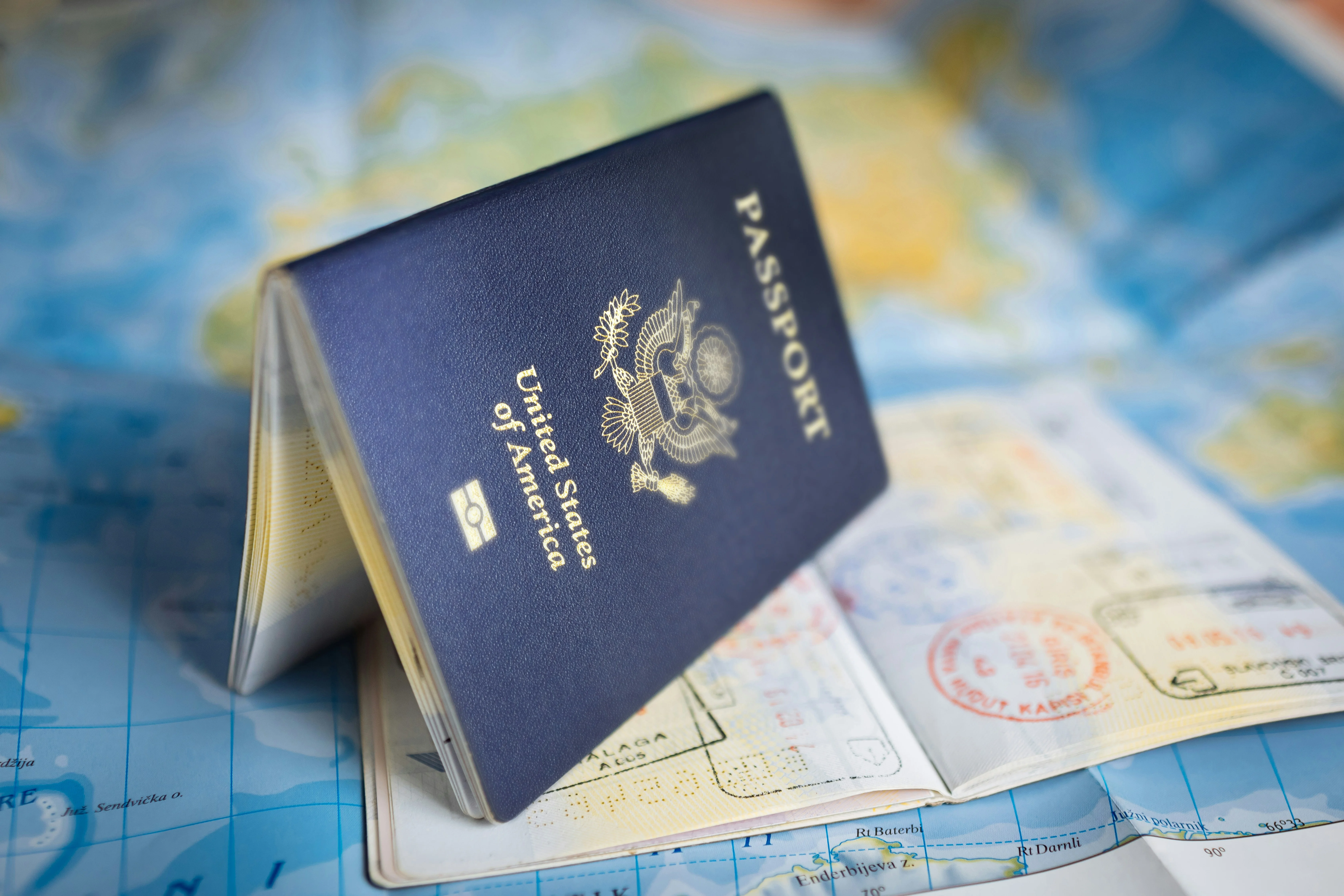
Employment sponsorship is when an employer formally supports a foreign worker's right to work in a specific country by securing the appropriate visa or permit.
In most cases, the employer:
Offers a legitimate job
Applies for approval with immigration authorities
Takes responsibility for legal compliance during employment
This process is often referred to as employer sponsorship, meaning the employer isn't just offering a role; they're accepting legal responsibility for the worker's authorization and compliance.
Who Needs to Understand Sponsorship for Employment?
Understanding sponsorship for employment matters extends beyond large corporations. It applies to:
Employers and HR teams hiring international talent
Small and mid-sized businesses expanding into new markets
Startups that need specialized skills not available locally
Hiring managers reviewing candidates who will require sponsorship
International employees evaluating employer-sponsored opportunities
Whether you are actively hiring a global workforce or planning future growth, knowing how employer-sponsored work visas and permits work helps avoid delays, compliance issues, and costly mistakes.
Will You Require Sponsorship?
During hiring, employers often ask: Will you require sponsorship? This question helps companies assess immigration timelines, costs, and compliance obligations.
From the employer side, asking this early prevents delays later in the hiring process. From the employee side, answering honestly helps align expectations on eligibility and timing.
What Sponsorship for Employment Is Not
To avoid confusion, it's important to understand what sponsorship does not mean.
It does not guarantee permanent residency or citizenship
It does not allow employees to work for any employer
It does not eliminate compliance responsibilities
It does not last forever if employment ends
Sponsorship is tied to a specific role, employer, and legal framework—and it must be actively maintained.
It is also different from other hiring arrangements. Unlike hiring independent contractors, sponsorship places full employment and compliance responsibility on the employer. It also differs from permanent residency or citizenship programs, which follow separate legal pathways and timelines.
Understanding these differences helps employers choose the correct hiring model from the start.
How Visa Sponsorship for Employment Works
Visa sponsorship follows a structured process that varies by country but usually includes the same core steps.
First, the employer confirms the job qualifies for employment-based visa sponsorship. This means the role meets government standards and often fills a genuine skills gap. These sponsorship programs may be temporary or permanent, depending on the visa type.
Next, the employer submits immigration documentation and waits for approval. Throughout this stage, visa sponsorship for employment requires accurate paperwork, wage compliance, and adherence to labor laws.
Employment sponsorship is regulated by government immigration authorities in each country. For example, in the United States, employment sponsorship is overseen by U.S. Citizenship and Immigration Services (USCIS). In Canada, Immigration, Refugees and Citizenship Canada (IRCC) manages work authorization programs, while the United Kingdom relies on UK Visas and Immigration (UKVI).
These agencies set eligibility rules, processing timelines, and employer compliance requirements that must be followed throughout the employment period.
The Employment Sponsorship Lifecycle (Step-by-Step)
Most sponsorship cases follow the same lifecycle:
Role evaluation to confirm eligibility
Candidate verification of skills and qualifications
Application submission to immigration authorities
Government review and approval
Visa or permit issuance
Employee onboarding and relocation
Ongoing compliance and renewals
For example, a U.S.-based technology company hiring a specialized software engineer from abroad may sponsor that employee for a temporary work visa. The employer defines the role, verifies qualifications, submits the required immigration filings, and continues to meet wage and compliance obligations while the employee works in the U.S.
Missing any step can delay hiring or put the employer at risk.
Employer Responsibilities and Compliance Risks When Sponsoring Visas

Sponsoring a worker goes beyond approval—it creates ongoing legal duties.
Employers must:
Pay the required government fees
Meet prevailing wage standards
Maintain immigration records
Report role, salary, or location changes
When sponsorship is handled incorrectly, employers may face serious consequences. These can include application delays, fines, failed audits, loss of future sponsorship privileges, or even forced termination of the employee's work authorization.
Because immigration compliance continues for as long as the employee is sponsored, even small errors can create long-term legal and financial risk. For many employers, the challenge isn't understanding sponsorship—it's managing the ongoing compliance correctly across borders.
How Long Does Sponsorship for Employment Take?
Timelines vary by country, visa type, and government processing speed, but most sponsorship cases follow a general range.
Temporary work visas: Often take several weeks to a few months
Permanent employment-based visas: Can take several months to over a year
Expedited processing: Some countries allow faster review for an additional fee
Delays often happen due to incomplete documentation, role misclassification, or missed compliance steps—issues that professional immigration support can help prevent.
How Much Does Employee Sponsorship Cost?
Employee sponsorship involves more than a filing fee. Costs may include:
Government application fees
Legal and administrative costs
Compliance and recordkeeping expenses
Ongoing renewal and monitoring costs
While costs vary by country and visa type, employers should budget for both upfront and ongoing expenses throughout the employee's tenure.
Work Visa vs Work Permit Sponsorship: What’s the Difference?
Many employers confuse work visa sponsorship and work permit sponsorship, but they are not always the same.
Work visa sponsorship typically allows a foreign worker to enter a country for employment.
Work permit sponsorship authorizes the employee to legally perform work once inside the country.
Some countries combine both processes, while others treat them separately. Companies expanding globally must manage both work visa sponsorship and work permit sponsorship carefully to avoid compliance risks.
How Sponsorship for Employment Varies by Country

While the core idea of sponsorship stays the same, the process differs by country.
United States: Employers often sponsor workers through programs like H-1B visa sponsorship or employment-based green cards, which may involve labor certifications and annual caps.
Canada: Employers may need to prove local labor shortages before sponsoring a foreign worker through federal or provincial programs.
United Kingdom: Sponsorship usually requires a licensed employer and role-specific approval.
European Union: Many countries participate in structured programs for highly skilled workers, such as EU-wide permits.
Rules change frequently, global employers need ongoing compliance oversight—not just one-time approvals.
Why Many Employers Choose an EOR for Sponsorship
For many organizations, managing sponsorship internally can be challenging—especially when hiring across multiple countries with different rules, timelines, and reporting requirements. This is where Employer of Record services are commonly used to centralize compliance and reduce administrative burden.
For employers scaling internationally, this level of complexity often makes internal sponsorship management unsustainable.
How Atlas HXM Simplifies Employment Sponsorship
Atlas HXM combines global immigration services with a direct EOR model, helping companies manage work visa sponsorship, compliance, and workforce mobility under one solution. By handling documentation, renewals, and regulatory tracking, Atlas HXM allows businesses to focus on growth instead of immigration risk.
With entities in 160+ countries, Atlas HXM helps businesses:
Secure an employer-sponsored work visa
Manage work permit sponsorship
Monitor renewals and compliance
Reduce legal and financial risk
When sponsorship is handled correctly, it becomes a growth advantage—not a risk—allowing companies to hire the talent they need while staying compliant worldwide.
With expert immigration support and a direct Employer of Record model, Atlas HXM helps businesses manage sponsorship requirements while staying focused on growth.
Contact Atlas HXM to simplify your business needs today!
FAQs
Can small businesses sponsor employees?
Yes. Small businesses can sponsor foreign workers if they meet financial, role, and compliance requirements.
What happens if employment ends early?
If employment ends, sponsorship usually ends as well, and the employee may need to leave the country or find a new sponsor.
Is sponsorship required for all international hires?
Not always. Some workers already have authorization, but many roles still require employer sponsorship.
How long does employment sponsorship usually take?
Timelines vary by country, visa type, and government processing speed. Some temporary work visas may be approved in a few weeks, while permanent employment-based sponsorship can take several months or longer. Delays often depend on documentation accuracy and compliance requirements.
Who pays for employment sponsorship costs?
In most cases, the employer is responsible for government filing fees and compliance-related costs associated with sponsorship. Some employers may also cover legal or administrative expenses, depending on local regulations and company policy.